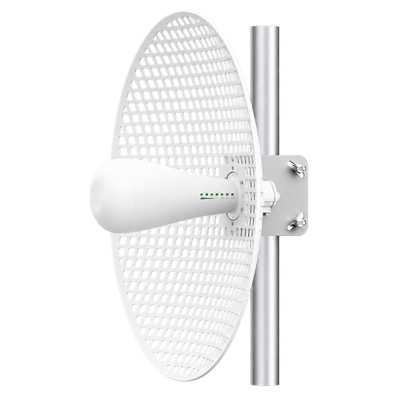

LITE E20
WiFi 7Compact directional connectivity
TECH SPECSBuy
Overview
| Primary application | PtP bridge / PtMP client |
|---|---|
| Wireless technology | WiFi 7 |
| Spatial Diversity | 2x2 MIMO |
| Throughput | 2.3 Gbps+ |
| Link distance | 10 km+ |
| Network interfaces | 2.5 GbE + 2.5G SFP |
| Weather protection | IP67 |
Radio & Antenna
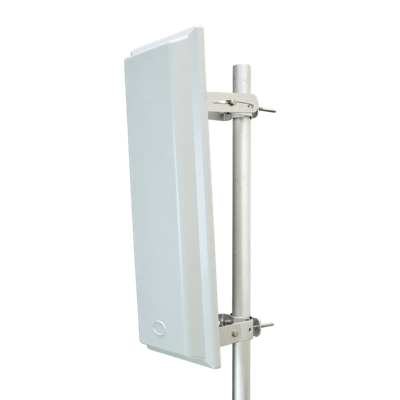
| Antenna | 20 dBi dish |
|---|---|
| Channel width | 20 / 40 / 80 / 160 / 320 MHz |
| Operating frequency | 5.15–6.425 GHz or 5.9–7.125 GHz, according to radio version |
| Maximum transmit power | 26 dBm |
| Antenna frequency range | 5.1–7.125 GHz |
| Polarization | Dual linear |
| Antenna beamwidth | 30° horizontal · 30° vertical |
| Antenna material | Die-cast aluminum |
Hardware
| Maximum PHY rate | 5.76 Gbps |
|---|---|
| Operating temperature | −30 to +60°C |
| Weight | 1.5 kg |
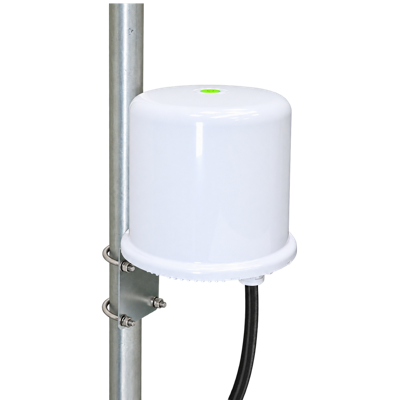
| Dish diameter | 24 cm |
| Power | PoE / DC 12 V |
| Maximum consumption | <16 W |
| Variants | 5 GHz or 6 GHz radio configuration |
| Processor | Qualcomm quad-core A53 · 1.1 GHz |
| Surge suppression | 6 kV |
Networking & Management
| Network modes | Bridge · Router |
|---|---|
| Firewall | Port forwarding · DMZ · ACL filtering |
| Wireless security | WPA-PSK · WPA2-PSK · WPA/WPA2-PSK (AES / TKIP) |
| VLAN | IEEE 802.1Q |
| DHCP | Server · Client |
| Management | SNMP · TR-069 |
PHY rates are theoretical. Actual throughput and range depend on radio configuration and operating conditions. Available frequencies, channel widths and transmit power depend on the country of operation.
STANDARD PACKAGE
In the box
Supplied components for LITE E20.
LITE E20 radio×1
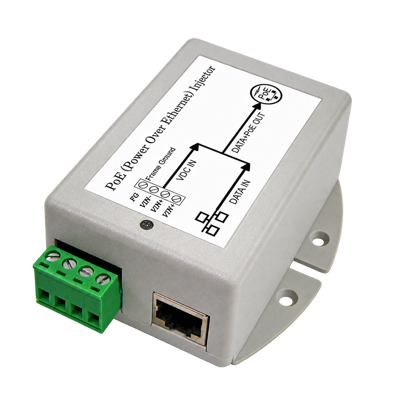
2.5 Gigabit PoE adapter×1
Power cord×1
Metal straps×2
Waterproof connectors×2
Waterproof plugs×2
Quick Start Guide×1
PRODUCT PHOTOGRAPHY
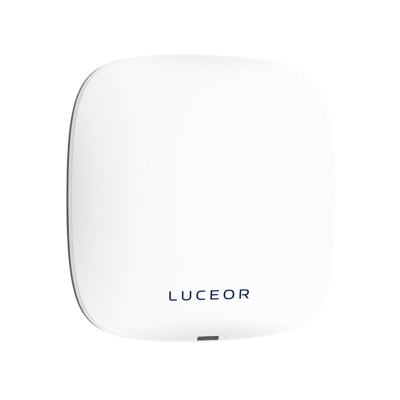
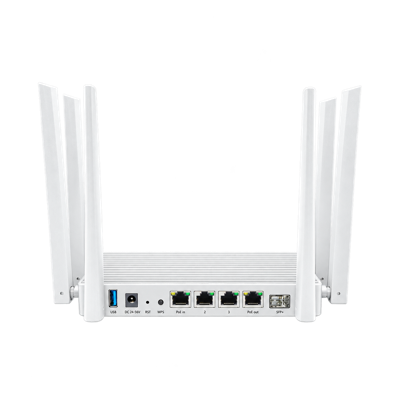
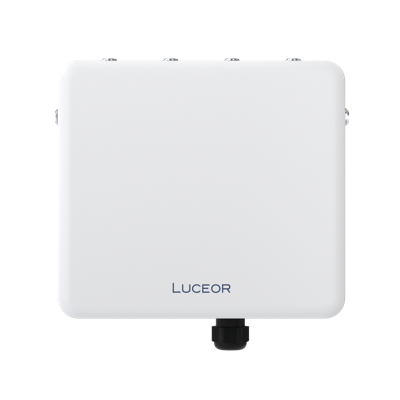
LITE E20, in detail.
Explore the original product views.
INSTALLATION ESSENTIALS
Complete the installation.
Connection and mounting requirements for LITE E20.
Mounting support
Select suitable pole-mount hardware for the installation.
Check your deployment configurationOutdoor Ethernet
Use shielded cabling and weather-sealed connections.
Check your deployment configurationPower supply
PoE / DC 12 V
Check your deployment configurationINSTALLATION NOTES
Install. Connect. Configure.
Deployment checklist for LITE E20.
Mount and align
Choose a mounting position with a clear line of sight. Secure the radio and align the directional antenna with the remote site.
Connect the network
Connect an outdoor-rated shielded Ethernet cable and seal exposed connectors.
Connect power
Use the power method listed in the hardware specifications and verify the device label before energizing.
Configure and verify
Set the country, radio mode, frequency and wireless security. Verify alignment and link performance.
 LITE E20